
Luxury Real Estate Trends to Watch in 2026
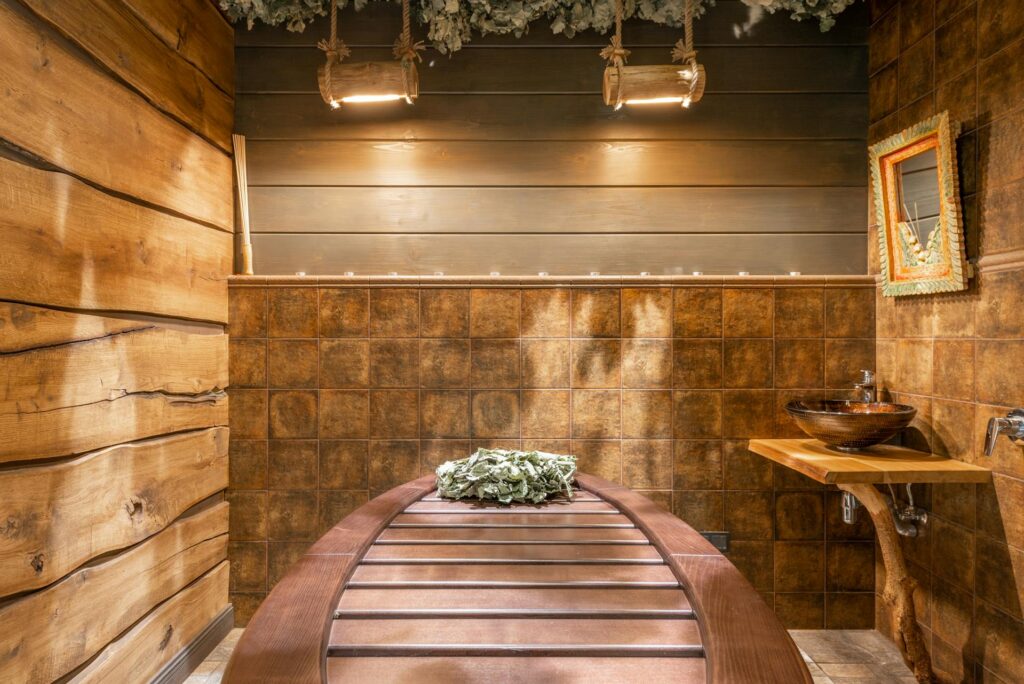
The luxury real estate market continues to evolve as affluent buyers redefine what high-end living looks like. In 2026, luxury property is no longer just about square footage or prestigious addresses –it is about lifestyle, technology, privacy, and long-term value. Changing demographics, new investment strategies, and shifting buyer expectations are transforming the luxury housing landscape around the world.
Here are the key trends shaping luxury real estate in 2026.
The Rise of the Next Generation of Luxury Buyers
A major shift occurring in the luxury market is the growing influence of younger high-net-worth buyers. Millennials and Generation X are entering their peak earning years and becoming dominant players in high-end real estate.
These buyers tend to have different priorities compared to previous generations. While traditional luxury buyers focused heavily on prestige and location, younger affluent buyers place greater emphasis on lifestyle, flexibility, and modern design. They are more likely to seek properties that support hybrid work, wellness routines, and entertainment at home.
This generational transition is pushing developers and sellers to rethink how luxury properties are designed, marketed, and valued.
Real Estate as a Lifestyle Investment
Luxury real estate is increasingly viewed as both a lifestyle upgrade and a financial investment. High-net-worth individuals are allocating a larger share of their wealth to residential property because it offers both personal enjoyment and long-term appreciation.
Many affluent buyers are purchasing properties that serve multiple purposes. A luxury home might function as a primary residence, a remote work hub, and a long-term asset that grows in value. Second homes and vacation properties are also becoming more popular as wealthy buyers look for places where they can escape, relax, and entertain.
This mindset has led to a growing trend where buyers prioritize properties with strong resale value, unique architectural features, and desirable lifestyle amenities.
Larger Homes and More Private Living Spaces
Privacy and space have become defining features of modern luxury homes. Buyers are increasingly searching for properties that offer expansive layouts and private environments away from crowded urban settings.
Large estates, gated communities, and properties with significant land are becoming especially attractive. Spacious homes allow owners to include multiple living areas such as guest suites, entertainment rooms, private offices, and wellness spaces.
In many cases, luxury homeowners are designing their properties to function as self-contained environments where they can work, exercise, host events, and relax without needing to leave their property.
Wellness-Focused Home Design
Wellness has become one of the most important elements of luxury real estate design. Modern luxury homes are being built to promote physical health, mental relaxation, and overall well-being.
Buyers are increasingly seeking features such as private gyms, spa-inspired bathrooms, meditation rooms, and outdoor relaxation areas. Large windows, natural lighting, and indoor-outdoor living spaces are also becoming essential design elements.
Luxury developments are beginning to incorporate entire wellness ecosystems that include walking trails, fitness facilities, green spaces, and spa services. These features transform homes into environments that support healthier lifestyles.
Smart Technology and Fully Connected Homes
Technology has become a core feature of modern luxury homes. High-end buyers expect their homes to integrate advanced systems that improve comfort, convenience, and security.
Smart home technology allows residents to control lighting, climate, security, and entertainment systems through mobile devices or voice commands. Automated blinds, intelligent lighting systems, and energy management technology are now common features in luxury properties.
Security technology has also become more sophisticated. High-end homes often include advanced surveillance systems, biometric entry points, and remote monitoring capabilities to provide maximum privacy and protection.
Sustainability and Environmental Responsibility
Sustainability is no longer a niche feature in luxury housing – it is becoming a standard expectation. Many affluent buyers are seeking homes that incorporate environmentally responsible materials and energy-efficient technologies.
Solar panels, energy storage systems, and sustainable building materials are increasingly common in new luxury developments. Water-efficient landscaping, smart irrigation systems, and electric vehicle charging stations are also gaining popularity.
In addition to environmental concerns, these features help reduce operating costs and increase long-term property value.
New Luxury Markets Are Emerging
While established luxury markets remain strong, new cities are emerging as attractive destinations for high-end buyers. Factors such as lower property taxes, strong economic growth, and desirable lifestyle opportunities are encouraging affluent buyers to explore new regions.
Cities with growing technology sectors, cultural amenities, and outdoor lifestyle opportunities are gaining particular attention. Many wealthy individuals now have greater flexibility in where they live because remote work and digital connectivity allow them to operate businesses from almost anywhere.
As a result, luxury real estate is becoming more geographically diverse than ever before.
Architecture as a Statement of Identity
Luxury homes are increasingly being designed as unique architectural statements. Buyers are moving away from standardized luxury properties and instead seeking custom designs that reflect their personal style and values.
Architectural trends include minimalist design, dramatic glass structures, indoor-outdoor living spaces, and homes that integrate seamlessly with the surrounding landscape. Unique materials, sculptural staircases, and custom interior finishes are also becoming more common.
For many affluent homeowners, a luxury property is not only a place to live but also a personal expression of creativity and individuality.
The Future of Luxury Living
The luxury real estate market in 2026 reflects broader changes in how wealthy individuals live, work, and invest. Homes are evolving into multi-purpose environments that combine comfort, wellness, technology, and long-term financial value.
As younger buyers enter the market and global wealth continues to grow, luxury real estate will likely become even more innovative and lifestyle-driven.
Luxury real estate is no longer just about owning a prestigious address – it is about creating a living experience that enhances every aspect of life.


